 Save to Pinterest
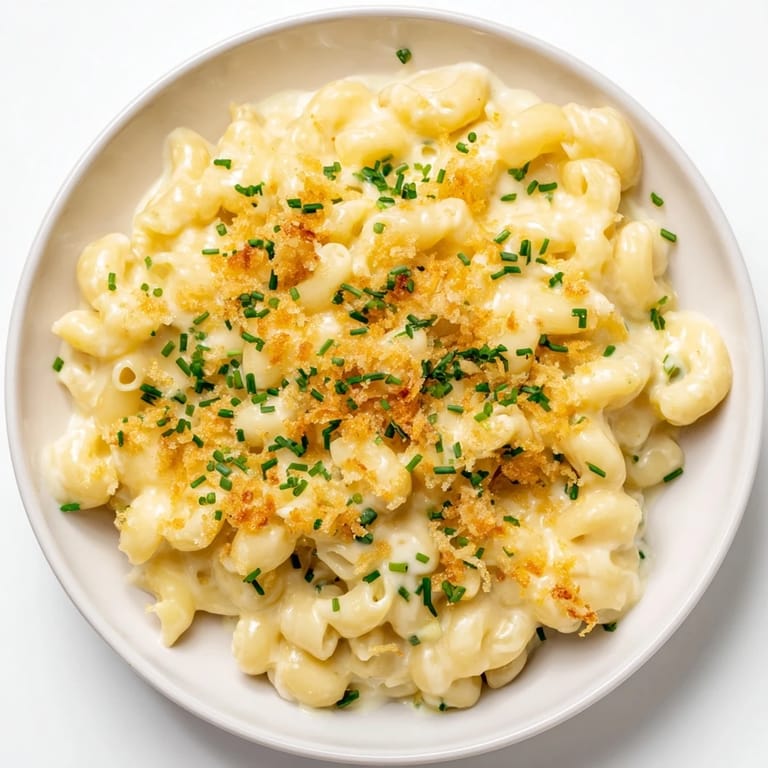
 A friend once challenged me to make mac and cheese that didn't feel heavy, and it changed everything about how I cook this dish. I started experimenting with cottage cheese one afternoon, skeptical at first, but the moment I blended it with a splash of milk and tasted that silky, tangy sauce clinging to the pasta, I realized I'd stumbled onto something special. It's now the version everyone asks for, and honestly, it feels less like comfort food and more like actually taking care of yourself while still getting that creamy, satisfying bowl you crave.
I made this for my partner on a random Tuesday when we were both tired and wanted something restaurant-quality but homemade. Watching them take that first bite and then immediately go back for seconds without checking the ingredient list told me everything I needed to know. Sometimes the best dishes are the ones that sneak up on people, proving that eating well doesn't mean eating boring.
Ingredients
- Elbow macaroni (300 g): The classic choice holds sauce beautifully, but any short pasta like shells or penne works equally well if that's what you have.
- Low-fat cottage cheese (400 g): This is the secret weapon, creamy and protein-packed, and it blends into something you'd never guess was cottage cheese.
- Milk (120 ml): Use whatever you drink regularly, dairy or plant-based, it just needs to thin the sauce to a pourable consistency.
- Sharp cheddar cheese (120 g): The sharpness cuts through the richness and gives you that real cheese flavor, don't skip this for mild.
- Parmesan cheese (25 g): Just a quarter cup adds a salty, umami depth that makes the whole dish taste more intentional.
- Cream cheese (2 tbsp): This little bit of cream cheese emulsifies everything and makes the sauce impossibly smooth.
- Garlic powder, onion powder, black pepper (½ tsp each): These are your background singers, adding complexity without being obvious about it.
- Smoked paprika (¼ tsp, optional): If you use it, you get a whisper of smoke that makes people wonder what your secret is.
- Chives or parsley and breadcrumbs (for topping): These aren't strictly necessary, but a little color and crunch on top transforms it from weeknight food to something you'd serve with confidence.
Tired of Takeout? 🥡
Get 10 meals you can make faster than delivery arrives. Seriously.
One email. No spam. Unsubscribe anytime.
Instructions
- Get Your Water Going:
- Fill a large pot with water, add salt until it tastes like the sea, and let it come to a rolling boil. This is where the pasta gets its flavor, so don't skip the salt or rush this step.
- Cook the Pasta:
- Add your macaroni and stir occasionally until it's tender but still has a slight firmness when you bite it. Drain it in a colander and set it aside, but don't rinse it—that starch will help the sauce cling.
- Blend the Magic:
- While the pasta's cooking, add cottage cheese, milk, cream cheese, and all those powders into a blender. Blend until it's completely smooth and looks like nothing else you've blended before, maybe 30 to 45 seconds.
- Melt It Together:
- Pour your blended sauce into a saucepan over medium-low heat and stir in the cheddar and Parmesan. You'll watch it transform from looking thin and separated into something glossy and unified, about 2 to 3 minutes—don't let it bubble or simmer.
- Bring It All Together:
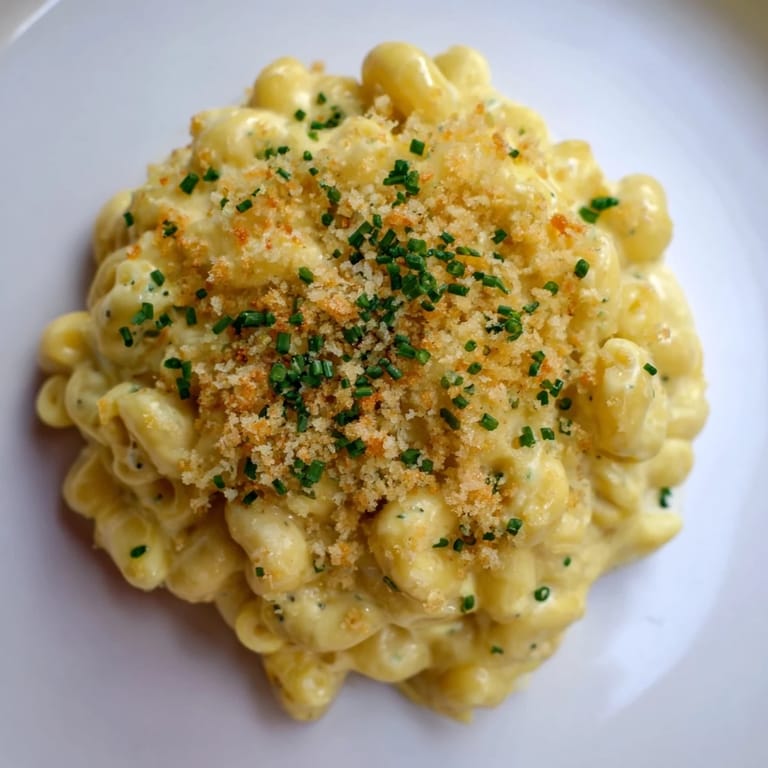
- Add your hot pasta to the sauce and toss until every noodle is coated, then taste and add more salt if it needs it. If the sauce seems too thick, add a splash more milk and stir.
 Save to Pinterest
 There's a moment when you pour that blended cottage cheese sauce over the warm pasta and the whole thing comes together into something golden and creamy that I find almost meditative. It's one of those dishes that feels generous, like you're feeding people something substantial and real, not just checking a box.
Why Cottage Cheese Is Smarter Than You Think
Cottage cheese gets a bad reputation, mostly because people remember it plain on a plate with fruit. But when you blend it with a little liquid and heat, it becomes a blank canvas for flavor, adding creaminess and protein without any of the heaviness of heavy cream or extra egg yolks. I started using it in sauces after realizing I was always looking for ways to make dishes more filling without making them feel like eating dessert.
Cheese Choices and What They Mean
Sharp cheddar is non-negotiable for this because it has enough personality to stand out even when blended with other cheeses. I've experimented with Gruyère for a more complex flavor, and it's lovely, but the sharpness of cheddar is what makes this feel like the homestyle version. Parmesan adds a salty, savory note that makes the whole dish taste deeper than it has any right to be.
Make It Your Own
This base is forgiving enough to adapt to what's in your kitchen. I've stirred in thawed peas, diced roasted chicken, or even caramelized onions, and each version feels intentional rather than improvised. The beauty of a good sauce recipe is that it's a foundation, not a prison.
- Stir in cooked protein like chicken, bacon, or smoked salmon to turn this into a complete meal.
- Add frozen peas, broccoli, or roasted mushrooms when you add the pasta back in for texture and vegetables.
- Try different cheeses like Gouda or Gruyère if you want to experiment, but keep at least half of it as a sharp cheddar so the sauce doesn't lose its identity.
 Save to Pinterest
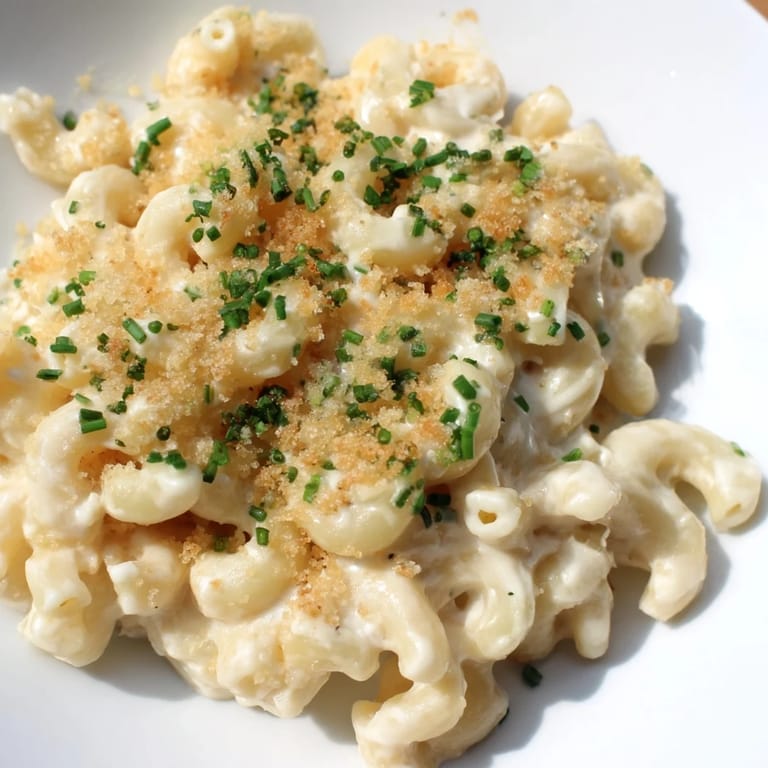
 This is the kind of dish that proves healthy eating doesn't have to feel like a sacrifice. Serve it warm, maybe with a simple salad on the side, and watch people come back for seconds without even thinking about it.
Recipe FAQs
- → Can I use different pasta types?
Yes, any short pasta like penne or rotini works well. Just cook until al dente for best texture.
- → How do I make the sauce smooth?
Blending cottage cheese with milk and cream cheese until fully smooth before heating ensures a creamy sauce consistency.
- → Can I add protein extras?
Adding cooked chicken, peas, or other favorite proteins enhances nutrition and variety without altering the sauce base.
- → Is smoked paprika necessary?
Smoked paprika is optional but adds a subtle smoky warmth that complements the cheese flavors nicely.
- → How do I adapt for gluten-free needs?
Simply substitute regular elbow macaroni with certified gluten-free pasta to maintain the same delicious texture.
- → Can I swap cheeses for different tastes?
Gruyère or Gouda can replace cheddar for variations, offering unique flavors while keeping the creamy sauce intact.