 Save to Pinterest
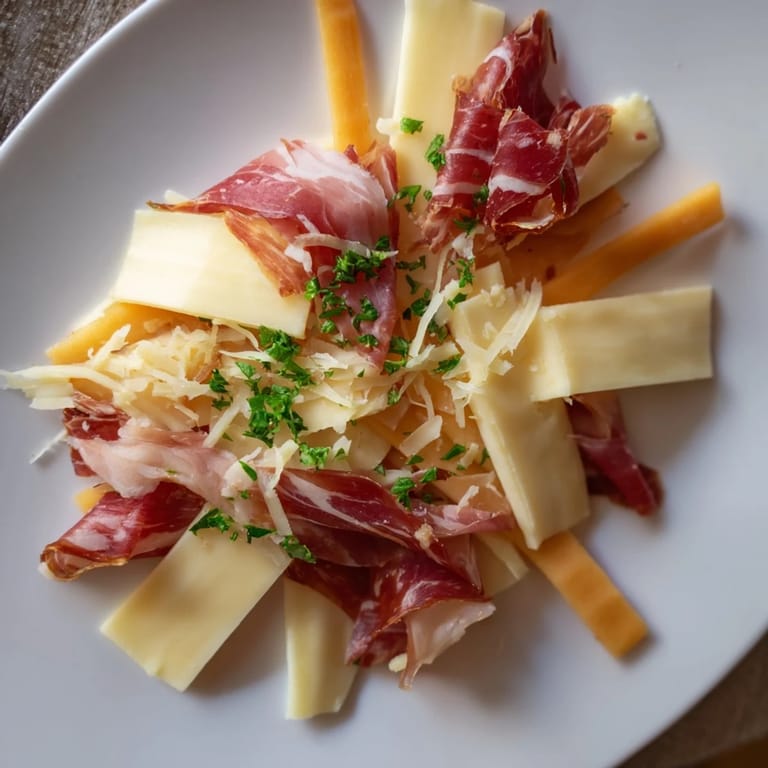
 I stumbled onto this at a friend's dinner party where someone had arranged strips of jerky and cheese into an actual woven pattern on a board, and I couldn't stop staring at it. The colors caught the light like a little textile art project, and when I finally tasted it, I realized how perfectly the salty snap of jerky plays against the creamy resistance of good cheese. That moment sparked an obsession with the idea that appetizers could be both beautiful and genuinely delicious without any real cooking involved.
The best compliment came from my aunt who brought this to her book club and texted me a photo of the board being absolutely demolished within minutes. She said people were so busy admiring the pattern they almost forgot to eat it, then couldn't stop once they started. That's when I knew this wasn't just a pretty plate—it was the kind of thing that makes people pause and actually enjoy the moment together.
Ingredients
- Beef jerky: The backbone of your plaid, bringing that deep salty note and chew that defines the whole thing.
- Turkey jerky: A lighter counterpoint that keeps things from feeling too heavy, and the color variation helps the pattern pop.
- Pork jerky: The wildcard that adds richness and a different texture once you bite through it.
- Sharp cheddar cheese: Don't go mild here—you need that bite to stand up to the jerky's boldness.
- Monterey Jack cheese: The creamy middle ground that lets everything else shine without getting lost.
- Smoked gouda: This is your secret weapon, bringing a whisper of smoke that ties the whole thing together.
- Fresh parsley or chives: A garnish that seems optional but actually makes the visual impact land harder and adds a fresh edge to each bite.
Tired of Takeout? 🥡
Get 10 meals you can make faster than delivery arrives. Seriously.
One email. No spam. Unsubscribe anytime.
Instructions
- Set your stage:
- Clear a cutting board or platter and mentally map where you want your pattern to flow. I like to think of it as planning a road before driving it.
- Build your foundation:
- Lay down half of your jerky strips vertically, mixing beef, turkey, and pork so the colors dance across the board. Step back and look—if it doesn't feel balanced, adjust now while you're still in control.
- Weave the first layer:
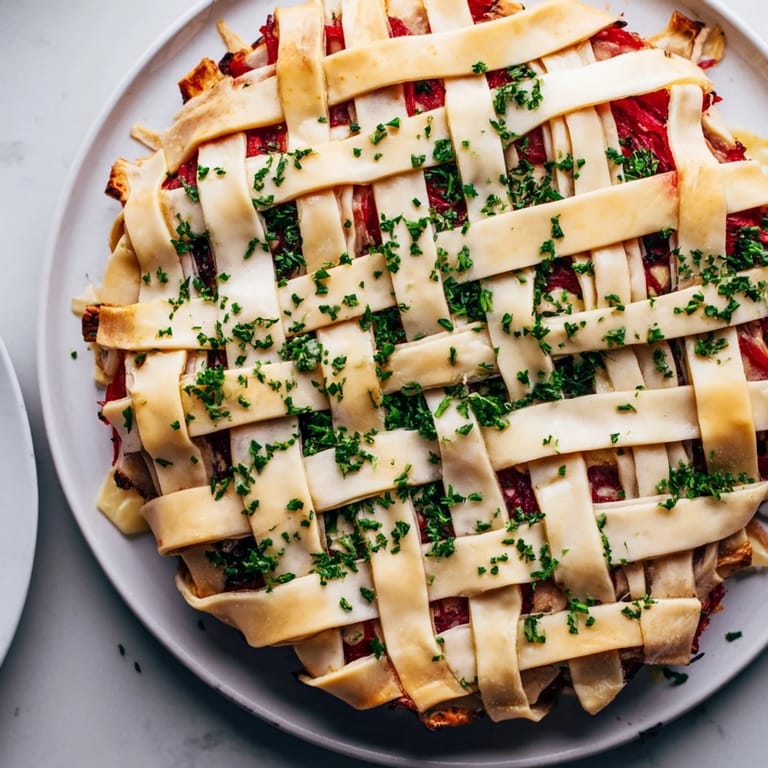
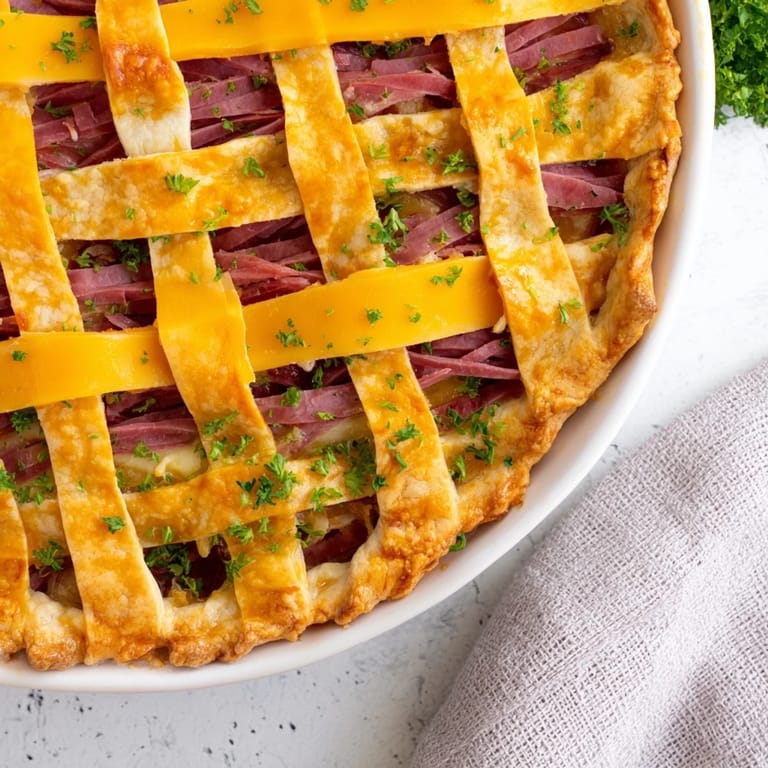
- Starting from one edge, begin threading cheese strips horizontally, alternating between cheddar, Monterey Jack, and gouda. Go over one jerky strip, under the next, over and under like you're actually weaving cloth. It's meditative once you find your rhythm.
- Fill in the gaps:
- Keep alternating direction and color as you layer, filling in the spaces with remaining jerky and cheese strips. You're essentially building a grid, so stay loose and let it be a little organic—perfection looks fake anyway.
- Set it gently:
- Press down on the whole arrangement with light hands to help everything hold together without squashing the character out of it.
- Clean the edges:
- Trim any ragged bits sticking out if you want that polished look, or leave them wild if you're feeling less formal.
- Finish and serve:
- Scatter parsley or chives over top for color and freshness, then bring it straight to the table while everything's still crisp and cool.
 Save to Pinterest
 I'll never forget serving this to my mom and watching her photograph it from three different angles before she ate a single bite. That's when I understood—this dish isn't just about flavor, it's about creating a moment where people stop rushing and actually see what's in front of them.
Choosing Your Jerky
The jerky you pick sets the entire mood, so don't grab whatever's closest at the store. Taste before you commit—you want something with real flavor and enough chew to matter when you bite it. Thick-cut jerky tears too easily, and paper-thin stuff has no presence, so aim for that middle ground where it's substantial but flexible enough to weave without cracking.
The Cheese Selection That Matters
Sharp cheddar, Monterey Jack, and smoked gouda aren't random picks—they work together like a conversation where each voice brings something different. If you swap them out, make sure your cheeses have personality and can actually hold their own texture-wise when sliced thin. Avoid anything that'll melt immediately at room temperature or turn to mush under pressure.
Making It Yours
Once you nail the basic plaid, start playing with variations that feel right to you. Swapping out jerky types or cheese combinations won't break anything—in fact, it might uncover your own signature version that tastes even better than mine.
- Try a vegetarian version by swapping jerky for smoked tofu or marinated mushroom strips cut thin.
- If you're prepping ahead, wrap it tight and keep it cold up to two hours, though fresh is genuinely better.
- Serve alongside something crisp like apple cider or a light beer that cuts through the richness beautifully.
 Save to Pinterest
 This dish proves that the best appetizers aren't always about technique or cooking time—sometimes they're just about seeing ingredients for what they could become together. Every time I make it now, I'm reminded that food tastes better when it looks like someone actually cared enough to try.
Recipe FAQs
- → What types of jerky work best for the plaid layers?
Beef, turkey, and pork jerky all provide varied textures and colors, enhancing the plaid effect while offering balanced savory flavors.
- → Can I substitute the cheeses in this dish?
Yes, any semi-firm cheeses that slice thinly, like gouda, cheddar, or Monterey Jack, work well to maintain the layered pattern and flavor contrast.
- → How should I store leftovers for freshness?
Cover the arrangement tightly with plastic wrap and refrigerate. Consume within 2 hours for best texture and flavor.
- → Is this appetizer suitable for special diets?
This dish is gluten-free and low-carb, but contains dairy and meat products, so it may not fit vegan or dairy-free preferences.
- → What are good beverage pairings for this appetizer?
Dry white wines, light beers, or crisp apple cider complement the savory jerky and creamy cheeses nicely.