 Save to Pinterest
 There's something about late March when the farmers market suddenly explodes with colors you haven't seen in months—that's when I discovered how a simple vegetable board could become the centerpiece of a gathering instead of an afterthought. My neighbor stopped by unexpectedly one afternoon with fresh radishes still wearing their leafy crowns, and I realized I had everything else in my crisper drawer. Within twenty minutes, I'd created something that looked intentional and tasted like spring itself.
I made this board last Easter when my sister arrived with her kids, and I watched the youngest one actually eat radishes without complaint because they looked like little pink and white pinwheels on the platter. That moment made me realize that how food looks matters almost as much as how it tastes, especially when you're feeding people who need convincing that vegetables are worth their time.
Ingredients
- Breakfast radishes: These spring darlings are peppery without being aggressive, and their natural color does the decorating work—look for ones with crisp leaves still attached if your market has them.
- Sugar snap peas: Leave these raw so they stay crackling and sweet; they're one of the few vegetables that taste better uncooked than blanched.
- Fresh or frozen peas: Fresh ones need a quick blanch to brighten their color and soften them just enough to eat comfortably.
- Baby carrots: The tiny ones taste sweeter and feel more elegant than regular carrots, though you can absolutely use regular carrots cut into sticks.
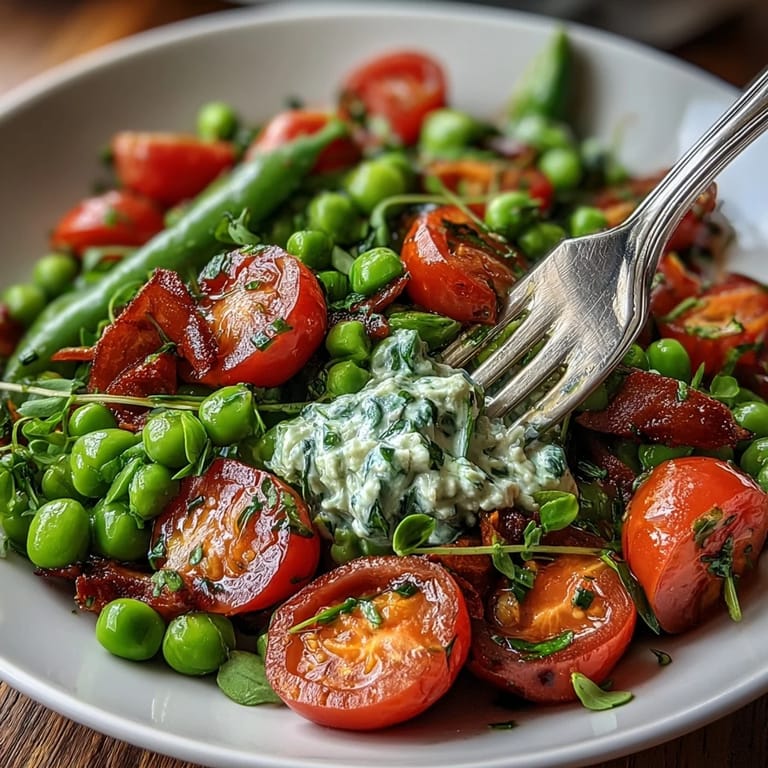
- Cherry tomatoes: Halving them creates little vessels that catch the dip, making them easier to eat and more visually interesting on the board.
- Cucumber slices: Keep the skin on for color contrast, and slice them just before serving so they don't weep and make the board soggy.
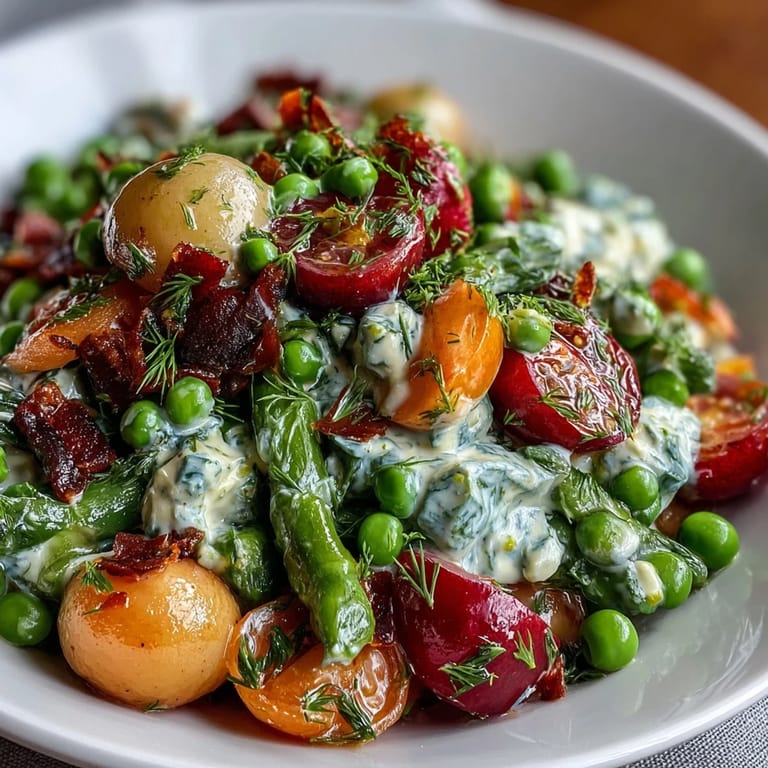
- Greek yogurt: This is your dip's backbone—it's tangier than sour cream and holds its shape better, but use whichever you prefer or have on hand.
- Fresh herbs—chives, parsley, dill: These are non-negotiable because they're what separate a forgettable dip from one people ask for the recipe to, and they should be genuinely fresh, not dried.
- Lemon juice: Just enough to brighten everything without making the dip taste aggressively acidic.
- Garlic: One small clove minced fine is plenty; raw garlic can overpower a delicate dip if you're not careful.
Tired of Takeout? 🥡
Get 10 meals you can make faster than delivery arrives. Seriously.
One email. No spam. Unsubscribe anytime.
Instructions
- Wash and prep your vegetables:
- Rinse everything under cool water and pat dry so nothing's wet on the board, which prevents vegetables from sliding around and looking sloppy. Trim radishes leaving just a tiny tail, snap off the tough ends of sugar snap peas, and cut cucumbers thin enough to bend slightly without breaking.
- Arrange with intention:
- Set your board down and start with the colorful items—radishes usually become your focal point because of their natural pink and white contrast. Cluster similar vegetables together rather than scattering everything randomly, which makes the board feel more curated and honestly easier for people to eat from.
- Mix the dip until it's silky:
- Combine yogurt, mayo, and lemon juice first, then fold in the herbs and garlic so nothing gets bruised or loses its bright color. If it seems thick, a splash of milk or lemon juice thins it to dipping consistency without making it runny.
- Place the dip strategically:
- Set it in a small bowl right on the board where it becomes part of the composition rather than an afterthought at the side. This also catches vegetables and crumbs naturally, keeping your board from looking picked over.
- Finish with flourish:
- Scatter microgreens across the empty spaces for a restaurant-quality look, sprinkle feta if you're using it, and serve immediately while everything's still crisp.
 Save to Pinterest
 My mother-in-law once told me that a vegetable board signals you've moved past thinking entertaining means cooking all day, and she was right. It's honest food that celebrates ingredients instead of hiding them, and somehow that feels more generous than an elaborate dish.
Choosing Your Vegetables Wisely
Spring is the only time some of these vegetables taste like versions of themselves—radishes in July are hot and woody compared to the sweet, crisp ones in April. I learned this by shopping at different times and actually tasting the difference, and now I time these boards for when the market is practically vibrating with early season produce. The vegetables you choose matter more than your arrangement skills, so if something doesn't taste exceptional raw, skip it and pick something else that does.
Making the Dip Taste Like You Know What You're Doing
The dip is honestly where all the flavor lives, so taste it as you go and adjust the herbs or lemon juice to match what your mouth tells you, not what the recipe says. I once made this with dried dill instead of fresh and learned an expensive lesson about why fresh herbs aren't optional here—dried dill turned the whole thing gray and one-dimensional. Now I keep fresh herbs in small pots on my kitchen windowsill specifically so I can snip them into dips and sauces whenever I need them.
Board Building Secrets
The real trick isn't having fancy vegetables or artistic talent—it's understanding that people eat with their eyes first, and colors matter. Once you start thinking about color contrast instead of just throwing vegetables on a board, suddenly it looks intentional even though you haven't actually done anything complicated. I usually place the radishes first because they're the showstoppers, then build the rest around them using the other colors as supporting players.
- Leave some empty space on the board instead of covering every inch, which creates breathing room and makes the whole arrangement feel more sophisticated than cramming things in.
- Keep similar items grouped rather than spreading them out, which makes it easier for people to understand what they're grabbing and prevents the board from looking chaotic.
- Make sure your dip bowl is actually nested into the board rather than just sitting next to it, so everything reads as one cohesive composition instead of a vegetable pile with an afterthought side dish.
 Save to Pinterest
 This board became my go-to entertaining move because it says fresh and springtime without requiring me to have cooking skills or spend my whole day in the kitchen. Every time someone asks for a recipe, I smile knowing they're about to discover how easy it actually is.
Recipe FAQs
- → What vegetables complement the spring food board?
Fresh radishes, sugar snap peas, shelled peas, baby carrots, cherry tomatoes, and cucumber slices combine for bright, crisp flavors.
- → How is the herb dip prepared?
The dip blends Greek yogurt with mayonnaise, fresh lemon juice, chopped chives, parsley, dill, minced garlic, salt, and pepper for a creamy and flavorful finish.
- → Can this board accommodate dietary preferences?
Yes, substituting Greek yogurt with plant-based alternatives makes the dip vegan-friendly, while the vegetable components remain naturally gluten-free and vegetarian.
- → What are good garnishes for the board?
Microgreens and crumbled feta cheese add color and richness but can be omitted or substituted based on preference.
- → How long can the herb dip be stored ahead of time?
The dip can be prepared up to two days in advance and refrigerated to deepen its flavors before serving.