 Save to Pinterest
 The first time I truly appreciated matcha was during a rainy afternoon in a tiny café tucked away in Seattle's International District. I watched, mesmerized, as the barista whisked the vibrant green powder into a frothy cloud before gently pouring steamed milk in a circular motion. The earthy aroma rising with the steam completely captivated me. That evening, I bought my first tin of matcha powder, determined to recreate that moment of tranquility at home.
My daughter actually requested I make matcha lattes for her sixteenth birthday brunch with friends. I remember how the kitchen filled with giggles as each teen took turns whisking the bright green powder, competing to create the most foam. What started as my personal morning ritual became this unexpected bonding activity, with the girls snapping photos of their creations before savoring each sip. Now whenever I make it, I think of that sunny morning.
Ingredients
- Matcha green tea powder: Always look for ceremonial grade for drinking, as culinary grade is better for baking and has a more bitter profile.
- Hot water: Never use boiling water as it scorches the delicate tea leaves, I learned this lesson after ruining an expensive tin of matcha.
- Milk: I prefer oat milk for its natural sweetness and creamy texture, but whole milk creates the richest foam if you enjoy dairy.
- Sweetener: A touch of honey complements matchas natural grassiness without overpowering it, though maple syrup adds a lovely complexity I discovered by accident.
Tired of Takeout? 🥡
Get 10 meals you can make faster than delivery arrives. Seriously.
One email. No spam. Unsubscribe anytime.
Instructions
- Sift your matcha:
- Always pass your matcha through a fine-mesh sieve into your mug or bowl, pressing any stubborn clumps through with the back of a spoon. This seemingly fussy step prevents those unpleasant bitter lumps that can ruin the whole experience.
- Master the whisking technique:
- Add just enough hot water to create a paste, then whisk in a W or M motion rather than stirring in circles. You should see the mixture transform before your eyes into a glossy, frothy concentrate within about 30 seconds.
- Heat your milk just right:
- Warm your milk until steam rises but before bubbles form at the edges. This sweet spot at around 155°F creates the silkiest texture without that scalded flavor.
- Layer with intention:
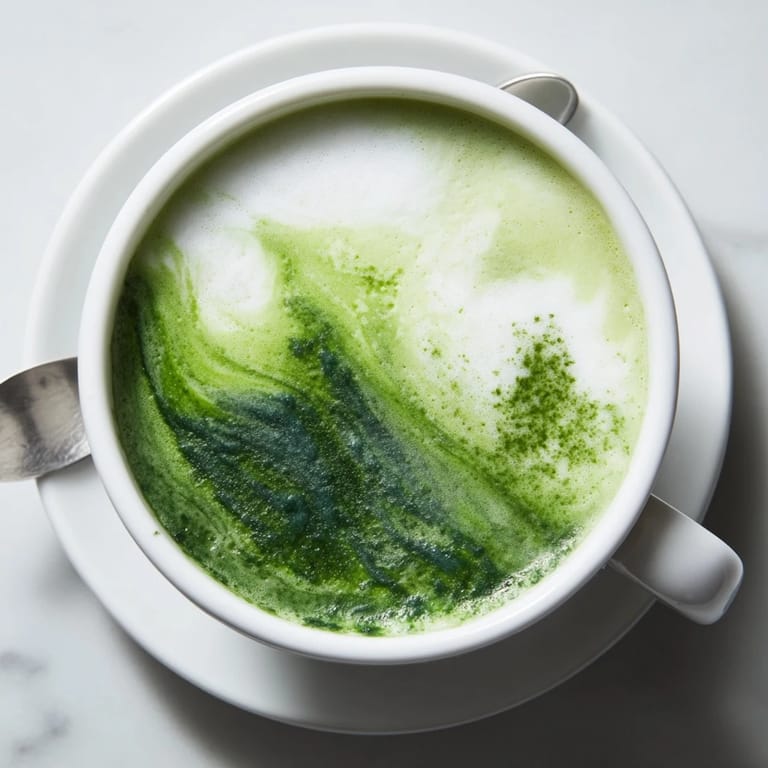
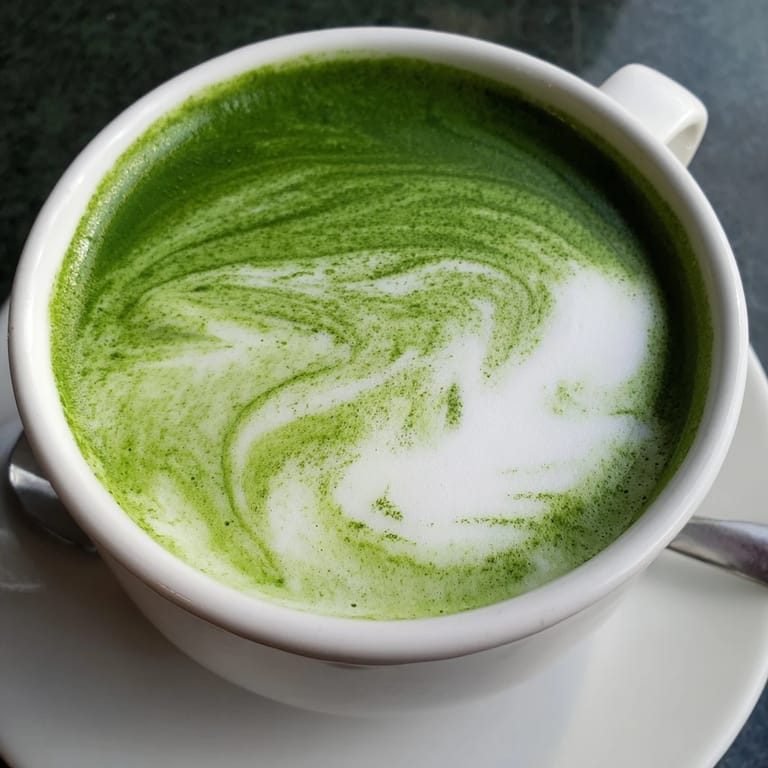
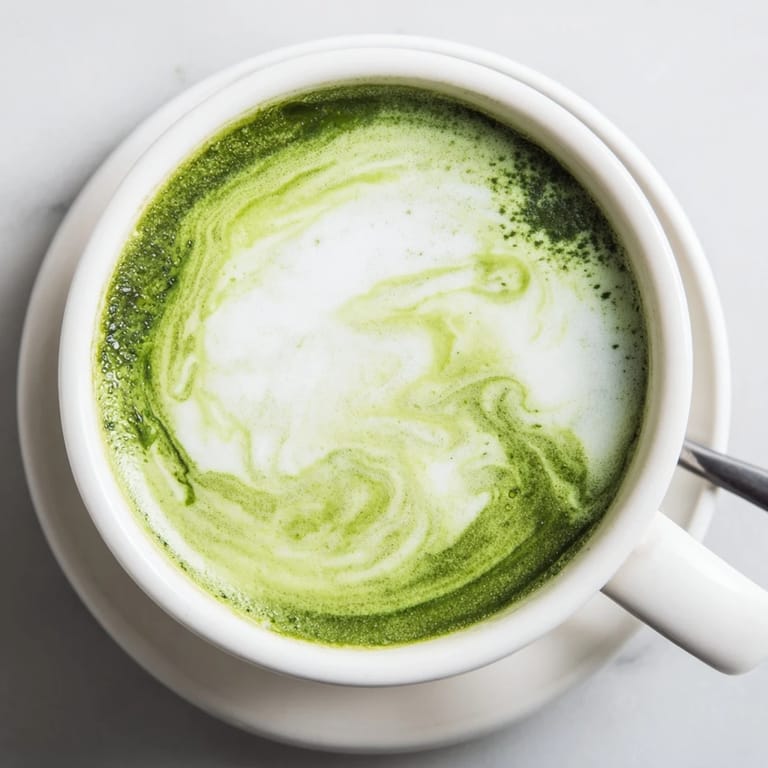
- Pour your milk slowly down the side of the cup, then use a spoon to hold back the foam until the end. This creates that beautiful layered effect that makes you feel like youre treating yourself to something special.
 Save to Pinterest
 Last Christmas, my brother-in-law visited from Japan and brought me an authentic bamboo whisk as a gift. He showed me how to properly care for it, soaking it briefly after use and standing it upright to dry. As we sat at my kitchen table sipping our perfectly frothed matcha lattes, he told me I had developed good technique, a compliment that meant more than he probably realized. Something about sharing this simple, centuries-old beverage bridged our cultural differences in a way conversation alone never could.
Choosing Quality Matcha
The color of your matcha powder speaks volumes about its quality. After bringing home a disappointing dull olive-green powder once, I learned to look for vibrant, electric green hues that indicate freshness. When I open a new tin now, I always take a moment to appreciate that distinctive grassy scent that fills the air, knowing it signals a good batch. The price difference between ceremonial and culinary grade initially made me hesitate, but that first sip of proper drinking matcha convinced me some splurges are worthwhile.
Creating the Perfect Foam
My first attempts at frothing milk for matcha lattes were laughably bad, with either scalded milk or barely-there bubbles. I discovered the handheld milk frother gathering dust in my gadget drawer created magnificent microfoam with minimal effort. On mornings when I want an extra-special treat, I heat the milk in a small saucepan until tiny bubbles form around the edge, then froth it vigorously for about 30 seconds. The difference between casually heated milk and properly frothed milk transforms a good matcha latte into a transcendent experience.
Seasonal Variations
Through countless matcha mornings, Ive developed seasonal adaptations that keep this ritual fresh year-round. Summer finds me making matcha lattes with frozen milk cubes instead of ice to prevent dilution as they melt, sometimes blending in frozen banana for a smoothie-like consistency. Winter calls for warming spices like a pinch of cinnamon or cardamom whisked directly with the matcha powder, lending subtle complexity without masking the tea's character.
- For fall, try adding a drop of vanilla extract and the tiniest pinch of salt to enhance the natural sweetness of the matcha.
- In spring, I love adding a few fresh mint leaves to the milk as it heats, then straining them out before frothing.
- Keep leftover matcha latte in the refrigerator for up to 24 hours, giving it a quick shake before enjoying it over ice the next day.
 Save to Pinterest
 Whether as a mindful morning ritual or an afternoon pick-me-up, this matcha latte has become more than just a beverage in my home. Its a small, verdant reminder to slow down and savor the moment, one frothy sip at a time.
Recipe FAQs
- → What is the ideal water temperature for matcha?
Use water heated to approximately 80°C (175°F), which is hot but not boiling. Boiling water can scorch the delicate matcha powder and create a bitter flavor.
- → How do I prevent lumps when preparing matcha?
Sift the matcha powder through a fine mesh sieve into your bowl or mug before adding water. This removes any clumps and ensures a smooth, creamy suspension.
- → Can I make this with plant-based milk?
Yes, almond, oat, and soy milk work excellently. Plant-based options often froth beautifully and create the same creamy texture as dairy milk. Adjust your sweetener choice to plant-based alternatives if needed.
- → How do I achieve the perfect foam?
Heat milk until steaming, then use a milk frother or whisk vigorously. Pour the hot milk slowly into your matcha while holding back the foam with a spoon, then top with the reserved foam for layering.
- → Can I adjust the strength of the matcha flavor?
Absolutely. Use 1.5 teaspoons for a milder taste or increase to 2.5 teaspoons for a stronger, more robust matcha flavor. You can also sprinkle extra matcha powder on top as garnish.
- → Is this suitable for serving iced?
Yes, matcha green tea latte is excellent served cold. Prepare the matcha mixture as directed, then pour into mugs with ice and add chilled milk instead of steamed milk.