 Save to Pinterest
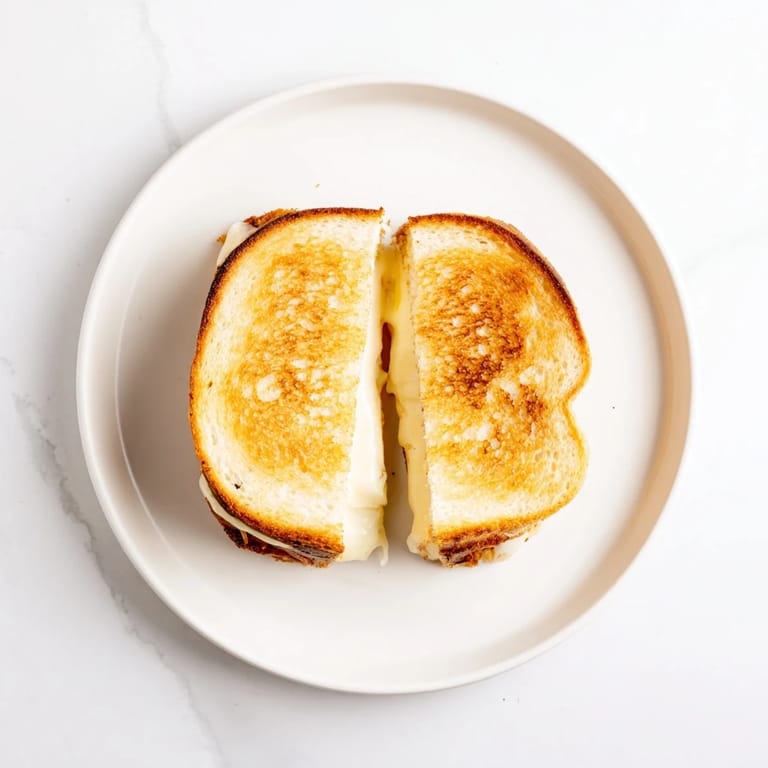
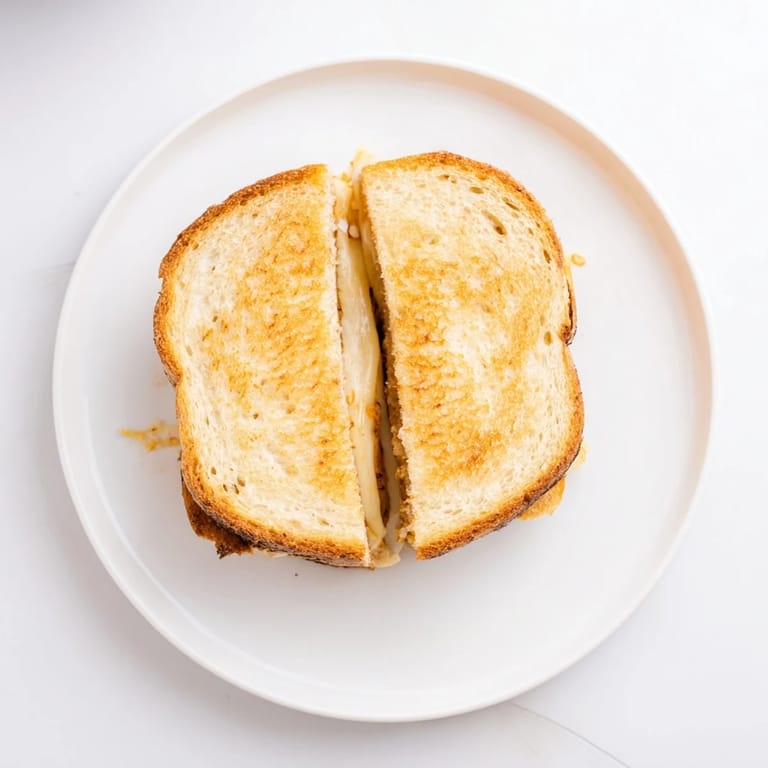
 My neighbor knocked on my door one rainy Tuesday with a loaf of sourdough and three types of cheese she couldn't use before leaving town. I stood there in my pajamas, holding this random collection, and decided to make lunch out of necessity. That sandwich turned into something I crave weekly now. The way three cheeses melt together into one unified, stretchy, golden thing is honestly better than any single-cheese version I ever made before.
I made these for my kids after a long day when I had zero energy for anything complicated. They sat at the counter watching me butter the bread, asking why I was using three cheeses instead of just one. When I flipped the sandwiches and they saw that perfect golden crust, they got quiet. Then they tasted it and declared it the best grilled cheese in the world, which is the kind of compliment that makes you forget how tired you were.
Ingredients
- Country-style or sourdough bread: The structure matters here because flimsy bread turns soggy under all that cheese, and a good sourdough adds a slight tang that balances the richness.
- Mozzarella cheese: This is your stretch factor, the cheese that creates those Instagram-worthy cheese pulls when you tear the sandwich apart.
- Sharp cheddar cheese: It brings a punchy, tangy flavor that keeps the sandwich from tasting one-dimensional or too mild.
- Provolone cheese: Adds a smooth, slightly smoky undertone that ties the mozzarella and cheddar together into one cohesive melt.
- Unsalted butter: Softened butter spreads evenly and crisps up the bread without burning, and unsalted lets you control the saltiness.
- Dijon mustard: Optional, but a thin smear adds a subtle sharpness that cuts through the richness without overpowering the cheese.
- Black pepper: Just a pinch adds a gentle warmth that you won't quite identify but will definitely notice if it's missing.
Tired of Takeout? 🥡
Get 10 meals you can make faster than delivery arrives. Seriously.
One email. No spam. Unsubscribe anytime.
Instructions
- Prep the bread:
- Lay out your bread slices on the counter and, if you're using it, spread a whisper-thin layer of Dijon on two slices. You want just enough to add a hint of tang without making the bread wet.
- Mix the cheeses:
- Toss the mozzarella, cheddar, and provolone together in a small bowl so every bite has all three flavors. This step sounds unnecessary but it makes a real difference in how evenly everything melts.
- Assemble the sandwiches:
- Divide the cheese mixture between two bread slices, piling it on generously, then add a pinch of black pepper if you like. Top with the remaining slices to close them up.
- Butter the outside:
- Spread softened butter on the outside of each sandwich, covering every inch so you get even browning. Don't skip the edges or they'll stay pale and soft.
- Heat the skillet:
- Warm a nonstick skillet or griddle over medium-low heat and give it a minute to come to temperature. Too hot and the bread burns before the cheese melts.
- Cook the sandwiches:
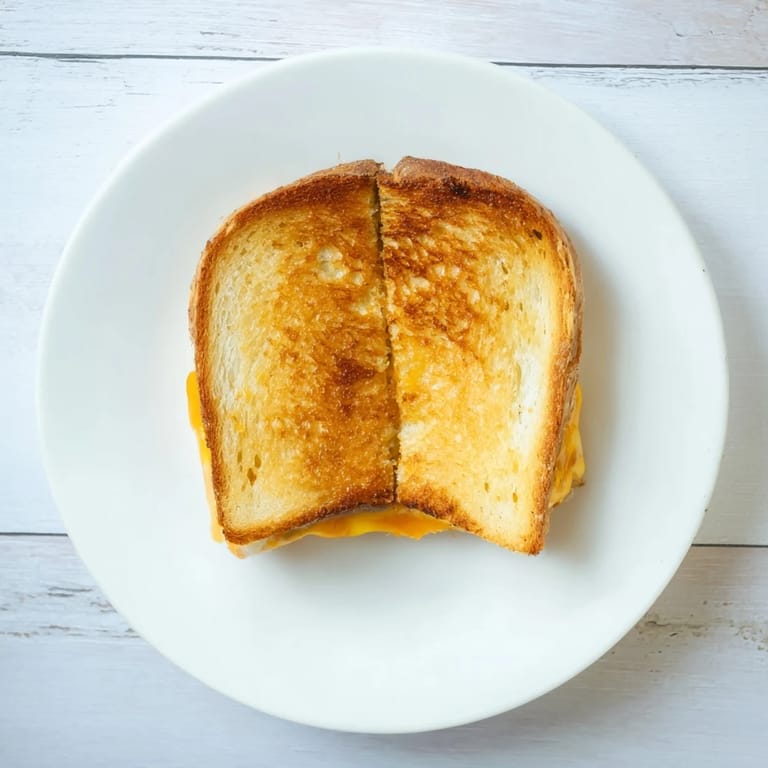
- Place the sandwiches in the skillet and cook for 3 to 4 minutes per side, pressing gently with a spatula to help the cheese make contact and melt. You'll know it's ready to flip when the bottom is deep golden brown.
- Rest and serve:
- Pull the sandwiches off the heat and let them sit for a minute so the cheese sets just enough that it won't all pour out when you cut in. Slice and serve while they're still steaming.
 Save to Pinterest
 The first time I served these at a casual lunch with friends, someone asked for the recipe before they even finished eating. Another person went quiet, just chewing slowly with their eyes closed. That's when I realized this wasn't just a grilled cheese anymore, it was the kind of simple thing that makes people feel cared for without you having to do much at all.
Choosing Your Bread
I've made this with every kind of bread I could find, and sourdough wins every time for the way its tang plays with the sharpness of the cheddar. Country-style white works beautifully too, especially if you want a softer, more nostalgic texture. Avoid anything too thin or it'll get soggy and fall apart, and avoid anything too dense or the cheese won't have time to melt before the crust burns.
What to Serve It With
Tomato soup is the obvious answer and for good reason, the acidity cuts through the richness and the warmth makes it feel like a complete meal. I also love serving these with a handful of crispy pickles or a small green salad with a sharp vinaigrette to balance out all that cheese. Sometimes I just eat it alone with a cold glass of something fizzy and call it dinner.
Ways to Switch It Up
Once you get the basic technique down, this sandwich becomes a template for whatever you have on hand or whatever sounds good. I've added caramelized onions, sliced tomatoes, fresh basil, even thin slices of apple for a sweet contrast. Some people swear by spreading mayo on the outside instead of butter, and I'll admit it gives an incredible crispy crust, though it doesn't taste quite as rich.
- Add a handful of baby spinach or arugula for a peppery bite and a little green
- Swap provolone for Gruyere if you want a nuttier, more sophisticated flavor
- Sprinkle garlic powder on the buttered bread before grilling for a subtle savory boost
 Save to Pinterest
 This sandwich has gotten me through lazy Sundays, quick lunches, and nights when I just needed something warm and comforting without any fuss. I hope it does the same for you.
Recipe FAQs
- → What type of bread works best for this sandwich?
Country-style or sourdough bread are ideal choices due to their sturdy structure and ability to support the melted cheese without becoming soggy. These denser breads develop a satisfying crust while maintaining a tender interior.
- → Why should I soften the butter before spreading?
Softened butter spreads evenly across the bread without tearing or creating gaps, ensuring uniform browning and a consistent crispy crust. Room-temperature butter also transfers heat more efficiently during cooking.
- → How do I prevent the cheese from leaking out while cooking?
Distribute the cheese mixture evenly between the bread slices and avoid overfilling. Cook on medium-low heat rather than high temperature, which gives the cheese time to melt gradually without breaking through the bread.
- → Can I prepare this sandwich ahead of time?
Assemble the sandwich up to 2 hours ahead and refrigerate it. This allows the cheese to adhere better. Cook directly from the refrigerator, adding 1-2 minutes to the cooking time per side.
- → What's the best way to achieve a golden-brown crust?
Cook on medium-low heat and gently press the sandwich with a spatula during the first 30 seconds of cooking. This promotes even contact with the skillet. Each side should take 3-4 minutes to develop a rich golden color without burning.
- → What are some complementary additions?
Thin layers of Dijon mustard, sliced tomatoes, or caramelized onions enhance the flavor profile. Serving alongside tomato soup creates a classic pairing that balances the richness of the melted cheese.