 Save to Pinterest
 The first time I tasted paneer tikka masala, I was sitting in a cramped kitchen in Delhi with my cousin, watching her move between the stove and grill with the kind of ease that only comes from making something a hundred times before. She'd burn her fingers twice, laugh it off, and somehow still create something that tasted like pure comfort. That night taught me that this dish isn't about perfection—it's about building layers of flavor and knowing when to trust your senses over the timer.
Years later, I made this for a friend who was going through a rough patch, and watching her eyes light up at that first bite made me understand why food matters so much—it's not just about filling a stomach, it's about saying I see you without words.
Ingredients
- Paneer cheese (400 g, cut into 2-cm cubes): This is your star player—use fresh paneer from an Indian grocery store, not the squeaky stuff that's been sitting around, because the difference is night and day.
- Greek yogurt (150 g): The acid and fat here tenderize the paneer and create that silky coating, so don't skimp on the full-fat version.
- Lemon juice (2 tbsp): This cuts through the richness and makes everything taste brighter—taste as you go and add more if your tomatoes are particularly sweet.
- Gram flour (2 tbsp): It gives the marinade body and helps it stick to the paneer, creating those gorgeous charred bits.
- Ginger-garlic paste (3 tbsp total across marinade and sauce): Fresh is better than jarred, but if you're using jarred, go easy because it's more concentrated and can overpower everything.
- Ground cumin (2 tsp total): Toast this in a dry pan first if you have time—it makes the whole dish smell like a proper Indian kitchen.
- Ground coriander (2 tsp total): This adds a subtle floral note that balances the heat and richness.
- Garam masala (2 tsp total): This is the backbone of the flavor, so buy a fresh container and smell it before using—if it smells like old spice cabinet, replace it.
- Kashmiri chili powder (1/2 tsp): Milder than regular chili powder, it gives you color and warmth without aggressive heat—swap for paprika if you can't find it.
- Turmeric powder (1 tsp total): Just a pinch of golden warmth and anti-inflammatory magic.
- Crushed tomatoes (400 g can): The foundation of your sauce—use good quality San Marzano if you can, because they're less watery and more flavorful.
- Heavy cream (100 ml): This transforms the sauce from tangy to luxurious, but add it at the end so it doesn't break.
- Butter or ghee (2 tbsp): Ghee brings a nuttier flavor, but butter works fine if that's what you have on hand.
- Fresh cilantro (2 tbsp chopped, plus more for serving): Don't add it until the very end or it'll turn into brown flecks and lose its brightness.
- Basmati rice (300 g cooked): The fluffy rice is essential—it catches the sauce and makes every bite feel complete.
Tired of Takeout? 🥡
Get 10 meals you can make faster than delivery arrives. Seriously.
One email. No spam. Unsubscribe anytime.
Instructions
- Build your marinade:
- Grab a big bowl and whisk together the yogurt, lemon juice, gram flour, ginger-garlic paste, and all your spices until it's smooth and fragrant. This is your liquid armor for the paneer.
- Marinate the paneer and veggies:
- Toss in your paneer cubes, bell pepper chunks, and onion pieces, making sure everything gets coated in that creamy marinade. Cover it and let it sit in the fridge for at least 30 minutes—overnight is even better because the flavors really settle in.
- Get your grill ready:
- Heat your oven to 220°C (430°F) or get a grill pan smoking hot over medium-high heat. Thread the marinated paneer and vegetables onto skewers, leaving a tiny bit of space between pieces so they cook evenly.
- Char everything:
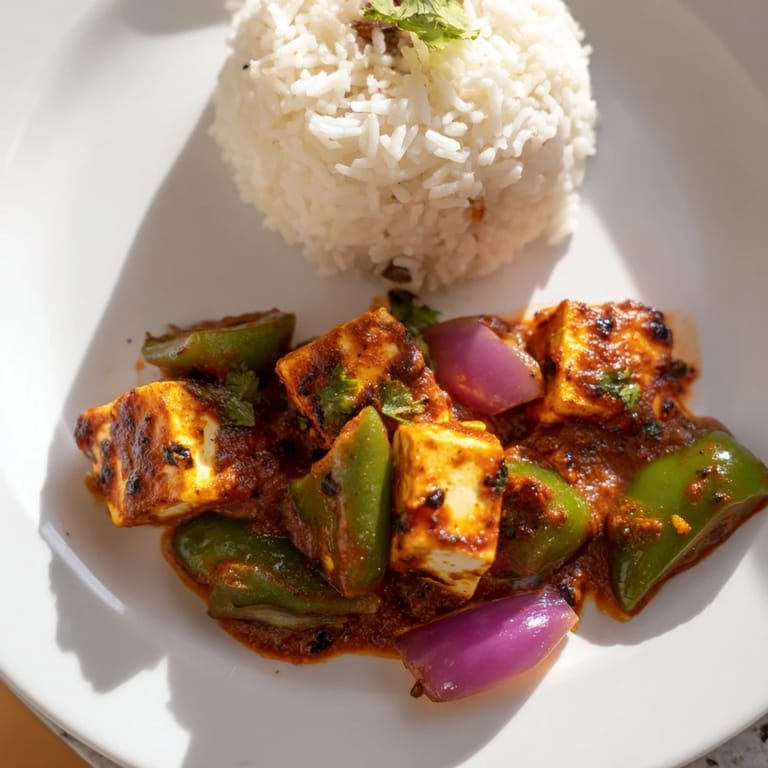
- Grill or bake for 10-12 minutes, turning halfway through, until you see dark golden spots and the edges are slightly charred. This is where the magic happens—those burnt bits add a smoky depth that you can't replicate any other way.
- Create the sauce base:
- In a large pan, melt the butter with the oil over medium heat, then add your finely chopped onions and let them turn golden brown and soft. This takes about 8-10 minutes, and you'll know it's right when they're translucent and smell sweet.
- Add aromatic depth:
- Stir in the ginger-garlic paste and cook for 1-2 minutes until it stops smelling raw and fills your kitchen with that intoxicating fragrance. Don't let it burn or it'll taste bitter.
- Build the sauce:
- Pour in your crushed tomatoes and add all the spices—turmeric, cumin, coriander, garam masala, chili powder—plus salt and that pinch of sugar to balance the acidity. Simmer for 10-15 minutes, stirring occasionally, until the sauce darkens and thickens slightly.
- Temper with cream:
- Turn the heat down a bit and gently stir in the heavy cream, letting it meld in for 2-3 minutes. The sauce should become silky and rich without breaking.
- Bring it all together:
- Carefully add your grilled paneer, peppers, and onions to the sauce and let everything simmer together for about 5 minutes so the flavors marry. Taste and adjust salt and spice if needed.
- Finish and serve:
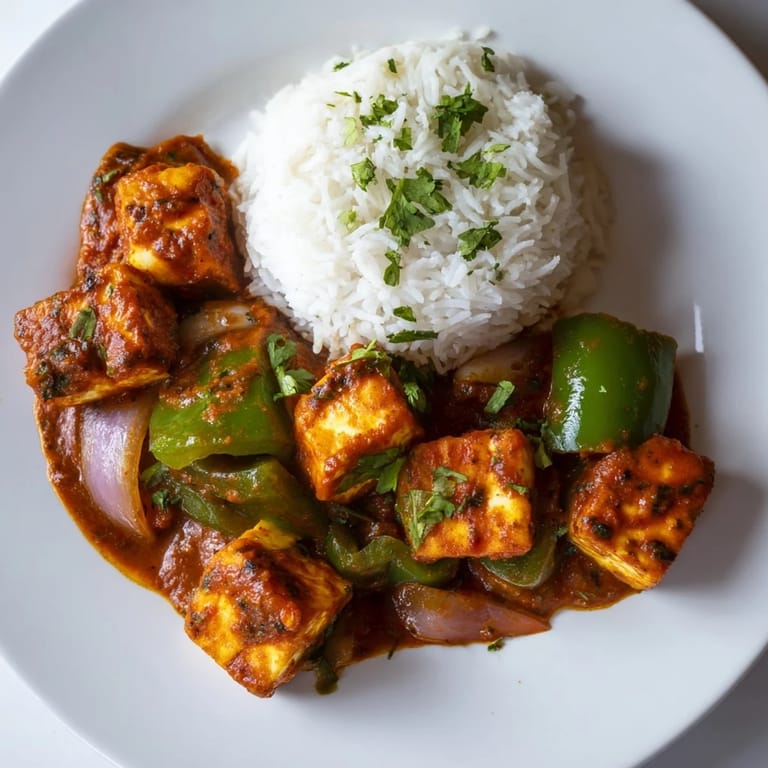
- Scatter fresh cilantro over the top and serve hot over fluffy basmati rice, with lemon wedges and extra cilantro on the side for people to customize their plate.
 Save to Pinterest
 There's a moment when everything comes together in the pan—when the sauce coats the paneer and the kitchen smells like spices and cream and possibility—where you realize this is why people cook for each other.
Why the Grill Matters
Grilling the paneer before adding it to the sauce is the difference between a decent dish and one that tastes like a restaurant made it for you. Those charred bits bring a smoky complexity that you absolutely cannot get from just simmering paneer in the sauce from the start. The grill pan on your stovetop works just as well as an oven or outdoor grill, so don't stress if you don't have all three options.
Timing and Temperature Control
The key to a silky sauce is patience and medium heat—rushing this by cranking up the temperature will cause your cream to break and your spices to taste harsh instead of rounded. Once the sauce is simmering, you can actually step away for a bit and let it do its thing while you finish other tasks. The flavor deepens the longer it sits, so if you're making this ahead of time, it only gets better when you reheat it gently before serving.
The Paneer and Sauce Partnership
This sauce is forgiving and adaptable, which is why it's been a favorite in Indian homes for generations. If you want it creamier, add a splash more cream or a spoonful of cashew paste blended smooth. If you want it spicier, there's no harm in adding more chili powder after tasting it. Some people swear by a pinch of fenugreek leaves stirred in at the very end, and honestly, they're onto something.
- A teaspoon of kasuri methi (dried fenugreek leaves) added in the last minute brings a subtle earthiness that makes people ask what the secret ingredient is.
- If your sauce seems too thin, let it simmer uncovered for a few extra minutes to reduce and concentrate.
- Leftover paneer tikka masala reheats beautifully and tastes even better the next day when all the flavors have had time to get to know each other.
 Save to Pinterest
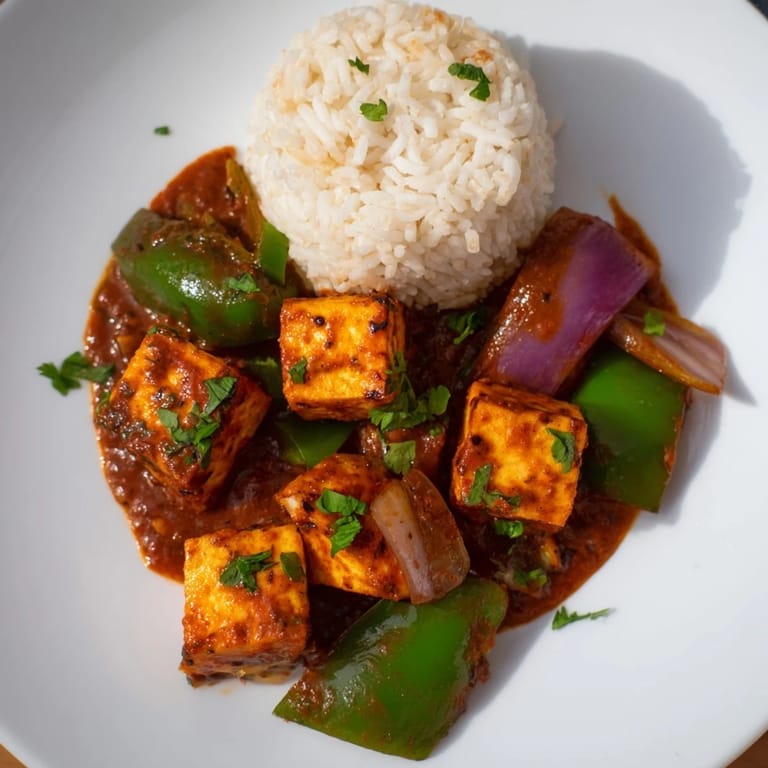
 This dish tastes like coming home, no matter where you're eating it from. Serve it with rice, naan, roti, or even just a piece of good bread to soak up that sauce.
Recipe FAQs
- → How is the paneer prepared before cooking?
The paneer is cut into cubes, marinated in a mixture of yogurt, lemon juice, gram flour, and spices, then grilled or baked to develop a smoky flavor and slight char.
- → What gives the sauce its creamy texture?
Heavy cream is added near the end, blending with the spiced tomato base to create a smooth and rich sauce.
- → Can the dish be made vegan-friendly?
Yes, by substituting paneer with firm tofu and using plant-based alternatives for yogurt and cream.
- → Which spices are essential for the authentic flavor?
Garam masala, cumin, coriander, turmeric, and Kashmiri chili powder contribute the key aromatic and warming notes.
- → What side complements this dish best?
Steamed basmati rice is traditional, but naan or roti also pair well to soak up the creamy sauce.
- → How long should the paneer marinate?
At least 30 minutes to let the spices and yogurt absorb fully, enhancing flavor and tenderness.