 Save to Pinterest
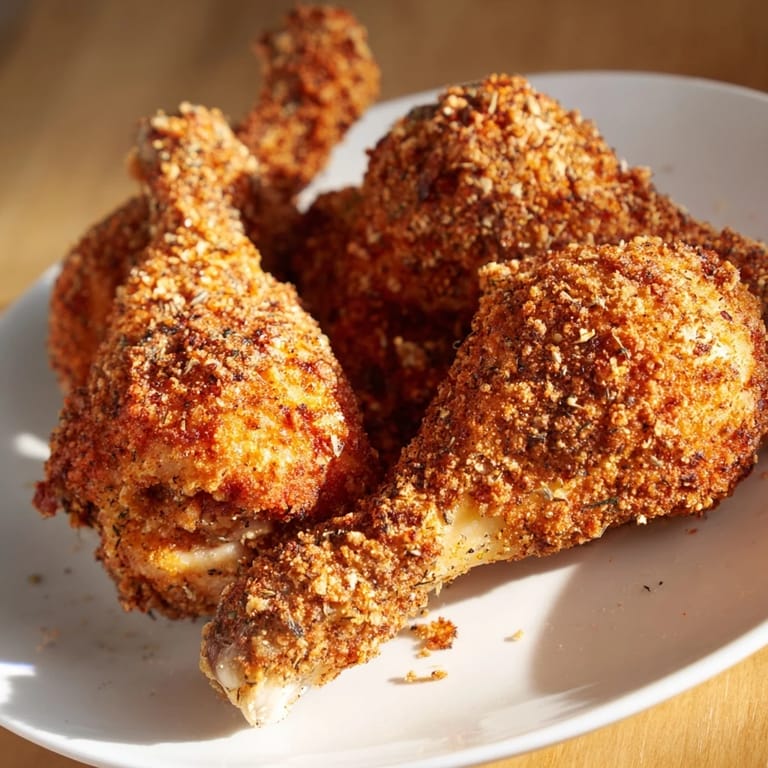
 There's something about the smell of chicken frying in hot oil that instantly transports me back to those nights when I'd press my face against the kitchen window, watching my neighbor work her magic at the stovetop. She never shared her exact method, but I spent years chasing that perfect golden-brown crust, that satisfying crunch that echoes the moment you bite down. One particularly humid summer afternoon, I finally cracked the code by experimenting with a layered spice blend and the simple trick of letting the coated chicken rest before frying. The result was restaurant-quality fried chicken that had my whole family asking for seconds before the first plate even made it to the table.
I'll never forget the first time I nailed this recipe for my book club—everyone arrived expecting the usual dessert situation, and instead I presented them with crispy, golden chicken that had them debating the spice combinations between bites. One friend actually asked if I'd somehow acquired KFC's secret formula, which felt like the highest compliment I could receive. That night reminded me that sometimes the most memorable meals aren't fancy or complicated; they're just made with care and the right balance of flavors.
Ingredients
- Chicken (8 pieces, skin-on, bone-in): Skin and bones are essential for authentic texture and flavor; dark meat stays juicier than breasts during frying.
- Buttermilk (250 ml): The acidity tenderizes the chicken while the dairy creates a subtle tang that deepens the final flavor.
- All-purpose flour (200 g): This forms your crispy exterior and serves as the base for the spice blend that does the real work.
- Paprika (2 tsp): Adds color and a mild, slightly sweet pepper note that rounds out the sharper spices.
- Garlic powder, onion powder (1 tsp each): These create savory depth without adding moisture that would compromise crispiness.
- Dried thyme, basil, oregano (1 tsp each): The herbal trio brings warmth and complexity that separates homemade from ordinary.
- Celery salt, white pepper, black pepper (1/2 tsp each): Celery salt adds brightness, while the peppers provide different heat profiles for balanced seasoning.
- Mustard powder, ground ginger, cayenne, sage (1/2 tsp each): These are your secret weapons—mustard powder adds subtle tang, ginger brings warmth, cayenne provides heat, and sage adds earthiness.
- Vegetable oil (1 liter): High smoke point is critical; the oil needs to hold steady heat without breaking down during frying.
Tired of Takeout? 🥡
Get 10 meals you can make faster than delivery arrives. Seriously.
One email. No spam. Unsubscribe anytime.
Instructions
- Prepare the marinade and begin soaking:
- Whisk buttermilk with salt and black pepper until combined, then submerge your chicken pieces completely. Cover and refrigerate for at least an hour, though overnight will reward you with deeper flavor penetration and more tender meat.
- Build your spice blend:
- Combine all flour and spices in a separate bowl, stirring thoroughly until the paprika and other seasonings are evenly distributed throughout—uneven mixing is the enemy of consistent flavor.
- Coat and rest:
- Remove chicken from buttermilk, letting excess drip away, then dredge each piece by pressing it firmly into the flour mixture so the coating clings properly. Transfer to a wire rack and let sit for 10 minutes—this resting period allows the coating to set and adhere better during frying.
- Heat your oil:
- Bring vegetable oil to exactly 170°C (340°F) in a deep fryer or heavy-bottomed pot; use a thermometer to verify the temperature, as guessing will either leave you with greasy chicken or burnt exteriors.
- Fry in batches:
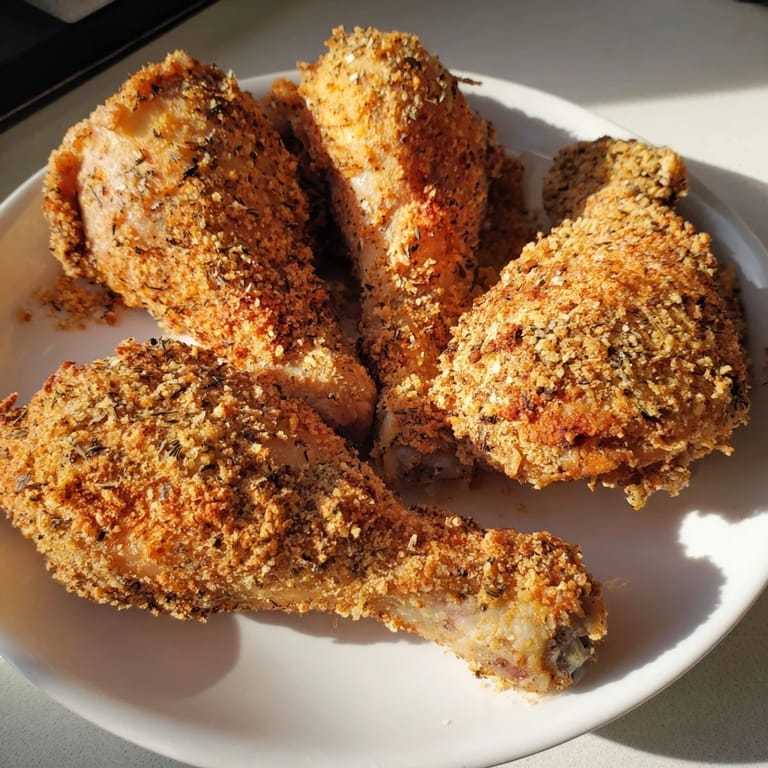
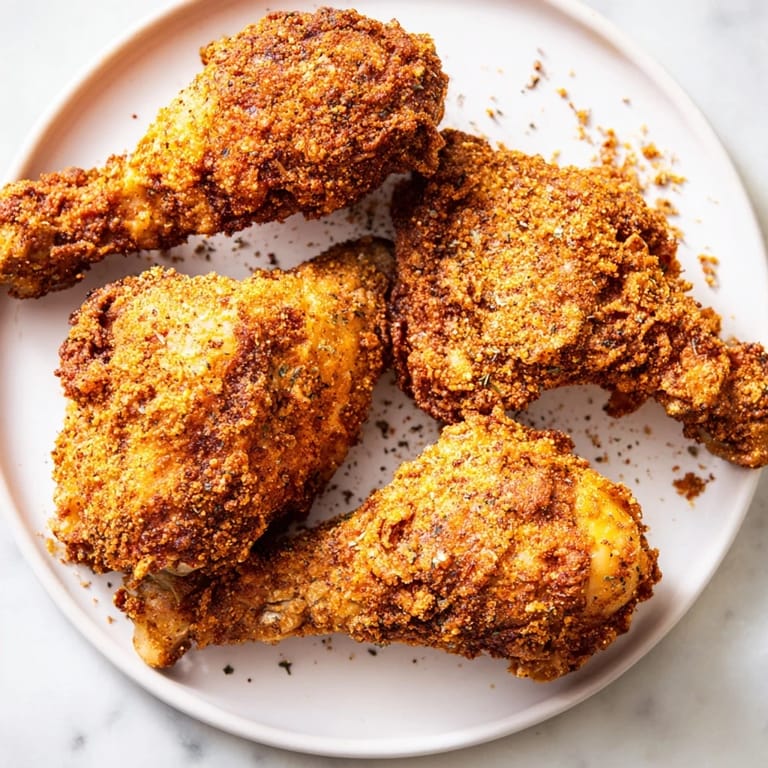
- Working with a few pieces at a time to avoid crowding, carefully place chicken into hot oil and fry for 12 to 15 minutes until golden brown and crispy, turning occasionally for even cooking. The internal temperature should reach 75°C (165°F).
- Drain and rest:
- Transfer finished chicken to a wire rack or paper towels to drain excess oil, then let it rest for 5 minutes before serving—this brief pause allows the exterior to set while the interior stays juicy.
 Save to Pinterest
 One winter evening, I served this chicken to my partner's family for the first time, and his mother—who grew up eating actual fried chicken from a famous restaurant—asked for the recipe. That request meant everything because it meant I'd achieved something that transcended my own kitchen and resonated with someone else's genuine nostalgia. Food has this quiet power to bridge experiences across different people's lives.
The Science Behind the Crunch
The magic of this chicken lies in understanding what happens when you fry properly seasoned flour against hot oil. The Maillard reaction creates hundreds of flavor compounds while moisture in the coating turns to steam, creating thousands of tiny bubbles that make the exterior crispy. The marinade's acidity breaks down proteins, making the meat tender, while the extended resting period after frying allows starches to set firmly. This isn't just cooking; it's orchestrating a series of chemical reactions that converge into something greater than their individual parts.
Variations Worth Exploring
This recipe is genuinely flexible depending on your mood and what you have on hand. I've successfully swapped dried herbs for fresh (though use about one-third the amount), adjusted cayenne from barely-there to genuinely spicy, and even experimented with smoked paprika for a subtle barbecue undertone. Some evenings I'll add a whisper of MSG or fish sauce to the flour blend for savory depth that nobody can quite identify but everyone notices. The base formula remains solid even as you experiment around its edges.
Storage, Leftovers, and Air-Frying
Fried chicken stays crispy for about two hours at room temperature, though the texture deteriorates once refrigerated because moisture accumulates under the coating. If you must store it, refrigerate uncovered on a wire rack to minimize steam, then briefly reheat in a 180°C (350°F) oven to restore crispiness. For a lighter version, an air fryer set to 190°C (375°F) for about 20 minutes yields surprisingly excellent results, though the exterior won't achieve quite the same shatteringly crisp quality as deep frying.
- Double-dipping transforms crispiness into something truly unforgettable if you have the time and patience.
- Adjust heat levels by tweaking cayenne and white pepper without derailing the overall flavor balance.
- Let finished chicken rest on wire racks rather than paper towels to keep the bottom from softening as it cools.
 Save to Pinterest
 This recipe has become one of those dishes I return to when I want to remind myself why I cook in the first place—because the right combination of technique, seasoning, and care can transform simple chicken into something that brings people together. Every time those pieces hit the hot oil, I'm chasing that same feeling from all those years ago.
Recipe FAQs
- → What is the purpose of marinating chicken in buttermilk?
Buttermilk tenderizes the chicken, helping it stay juicy while also allowing the seasoning to penetrate the meat better.
- → How does the spice blend affect the coating?
The mix of paprika, garlic, onion powders, and herbs adds depth and a balanced flavor to the crispy crust.
- → Can this coating be made spicier?
Yes, increase cayenne pepper quantity to add more heat according to your taste preferences.
- → What is double-dipping and how does it help?
Double-dipping involves dipping the chicken back into buttermilk and flour again after the first coating to build a thicker, crunchier crust.
- → Is it necessary to rest the coated chicken before frying?
Resting allows the coating to firmly adhere, preventing it from falling off during frying and ensuring an even crust.