 Save to Pinterest
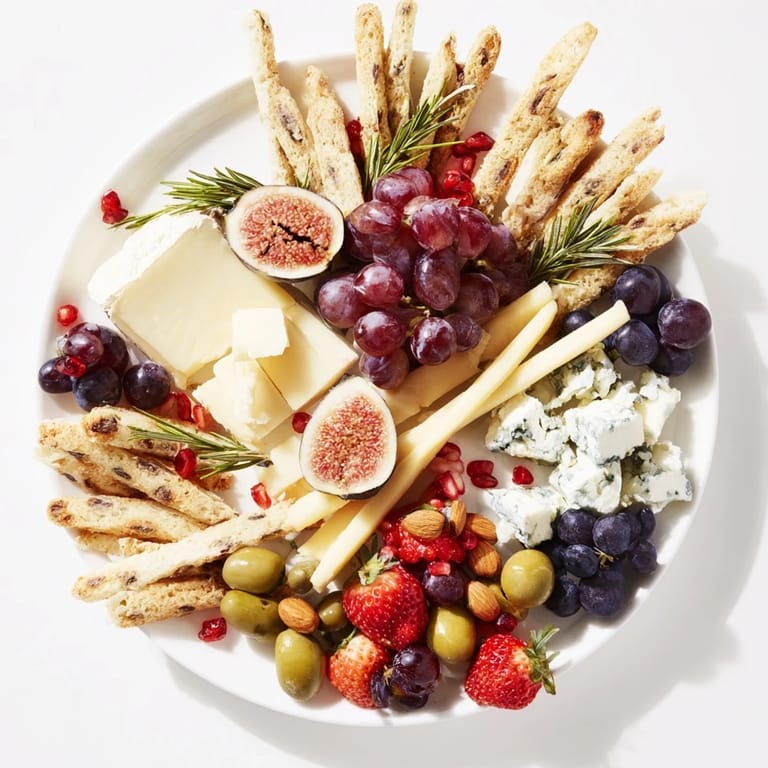
 There's something about setting a board that feels like composing a still life, each element a brushstroke on canvas. I discovered this particular approach to grazing boards at a gallery opening where the caterer had arranged everything with such theatrical flair that guests actually paused mid-conversation to admire it before eating. That night, I realized a board didn't have to sit flat and obedient on the table—it could spill and flow like something alive, like velvet curtains frozen mid-fall. Now whenever I need to feed a crowd something impressive without spending hours at the stove, this is the magic I reach for.
I made this board for my sister's book club, and I watched something unexpected happen—people stopped talking about the novel and started talking to each other about the food, leaning in to ask what each cheese was, debating which fruit pair was best with which cracker. Someone said it looked too pretty to eat, and then ate it anyway. That's when I understood: a board like this creates permission to linger, to pick, to enjoy without the formality of plated courses.
Ingredients
- Brie, 150 g sliced into wedges: The soft, buttery anchor that melts slightly at room temperature and coaxes everything else to seem more luxurious.
- Aged Cheddar, 150 g cut into sticks: A firm counterpoint with enough personality to hold its own against bold flavors without overwhelming delicate fruits.
- Blue Cheese, 120 g broken into chunks: A small amount goes far—this pungent player needs to be respected, so break it roughly and scatter it like punctuation marks.
- Prosciutto, 100 g loosely draped: The salt and delicate texture become almost translucent when arranged with intention; fold it in thirds rather than neat rolls so it catches the light.
- Soppressata, 100 g folded: Its peppered finish and subtle curve make it natural to fold gently once or twice, creating soft shapes that invite reaching.
- Red Grapes, 1 cup on the stem: Leave them clustered on stems—they become little handles for guests and add height variation your board needs.
- Fresh Figs, 1 cup halved: The jewel-like interior and deep color create visual drama; halve them just before serving so the cut faces stay bright.
- Strawberries, 1 cup halved: Their bright red steadies the composition when everything else threatens to look too sophisticated.
- Pomegranate seeds, 1 cup: These are your final flourish—scatter them last, watching how they catch light like tiny garnets.
- Baguette, 1 sliced: Slice at an angle so each piece is a different size; this creates natural visual rhythm.
- Seeded Crackers, 150 g: The texture contrast matters more than the quantity; choose ones with enough character to stay crisp beneath soft cheeses.
- Fig Jam, 1/2 cup: A bridge ingredient that makes strangers into allies—it works with both sweet and savory elements.
- Honey, 1/4 cup: Drizzle it across blue cheese for an immediate flavor revelation your guests will spend the evening discussing.
- Marcona Almonds, 1/2 cup: Butter-roasted and slightly sweeter than regular almonds, they add textural relief and feel intentional.
- Olives (green and black, pitted), 1/2 cup: Mix both types for visual interest; the color contrast and slight flavor difference keep the palate curious.
- Fresh herbs (rosemary, thyme) for garnish: Tuck them in last like you're setting a stage—they add height and the suggestion of a thoughtfully curated experience.
Tired of Takeout? 🥡
Get 10 meals you can make faster than delivery arrives. Seriously.
One email. No spam. Unsubscribe anytime.
Instructions
- Set your stage:
- Choose a large wooden or marble board and position it so one edge hangs slightly past the table's corner. This isn't just practical—it's your permission slip to let things flow over the edge without looking chaotic.
- Begin with cheese as your anchor:
- Arrange the brie, cheddar, and blue cheese so wedges and sticks tumble slightly over the board's edge, mimicking draped fabric. Leave some space between pieces so the board's natural grain shows through; this breathing room makes everything feel more intentional.
- Add the charcuterie layer:
- Fold prosciutto and soppressata gently, letting them cascade down the sides like they've just fallen into place. The curves and folds catch light and create shadow, which transforms flat meat into something sculptural.
- Scatter the fruit with intention:
- Tuck grape clusters (still on their stems) into gaps, halve figs and strawberries just before this step so their cut faces stay vibrant, and let some fruit trail over the edge. This is where you move from following a recipe to composing—trust your instincts about balance.
- Fan your breads and crackers:
- Slice the baguette on an angle so pieces vary in width, creating natural visual rhythm. Lean slices and crackers against cheeses and other elements so they stand upright or cascade down, never lying flat.
- Nestle bowls for condiments:
- Place small bowls of fig jam, honey, olives, and almonds directly on the board, settling them into pockets between larger ingredients. They become landing spots for guests' hands and focus points for the eye.
- Garnish like a stage designer:
- Tuck fresh rosemary and thyme sprigs between ingredients, letting them stand vertical or lean at angles. Their color and texture add the final layer of visual interest and suggest this came together with care.
- Present and encourage grazing:
- Step back and look at it from the angle your guests will see it. Serve immediately while edges are sharp and colors are bright, then watch people discover their own journey through it.
 Save to Pinterest
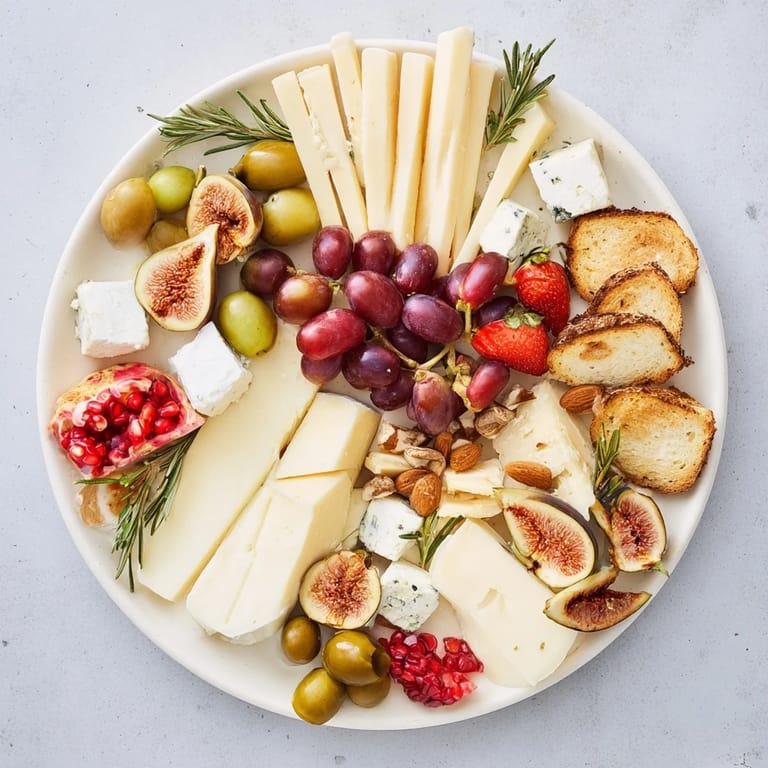
 A board like this stopped being just about hunger the moment someone I barely knew spent ten minutes studying which cheese to pair with which fruit, then turned to me with genuine joy to announce their discovery. It became a moment of permission—permission to play, to move slowly, to take small bites and think about flavor instead of rushing through a meal.
The Drama of Presentation
There's real power in letting food occupy more visual space than it technically needs. This particular board works because it breaks the rule of everything contained and neat. When brie wedges actually touch the tablecloth, when grapes dangle slightly over the edge, the whole arrangement signals that this isn't a formal plated dinner—it's an invitation to relax and enjoy without rules.
Timing and Temperature Matter
I used to assemble boards an hour before guests arrived and wondered why the brie hardened back up and the crackers lost their snap. Then I learned that these boards live best in that narrow window between done and served. The cheese tastes better, the bread stays crisp, and everything feels fresher because it actually is. If you're hosting early in the day, assemble components separately and come together thirty minutes before people arrive.
Making It Your Own
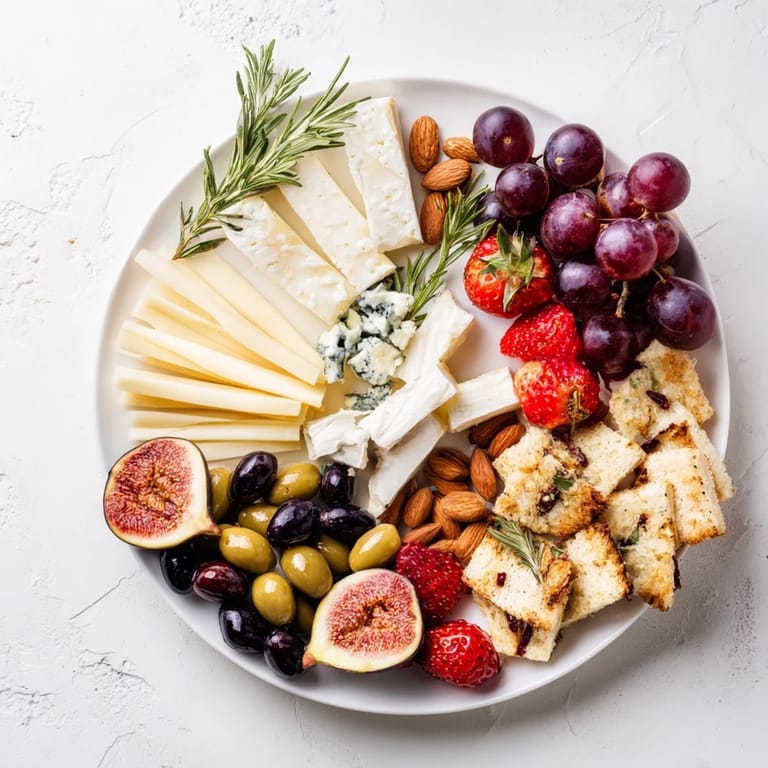
The beauty of this format is that it bends easily to what you actually have and who you're feeding. I've made vegetarian versions that lean hard into dates, nuts, and interesting plant-based cheeses. I've added edible flowers when they were in season. I've swapped almonds for pistachios and olives for capers. The structure stays the same—elegant overflow, mixed textures, spots for condiments—but the ingredients become a conversation about abundance and choice.
- Add edible flowers like pansies or nasturtiums for color and a delicate surprise.
- Vegan versions shine with cashew-based cheeses and an emphasis on interesting nuts and dried fruits.
- Pair the board with wine that feels like celebration—a crisp rosé or sparkling wine keeps everything feeling light.
 Save to Pinterest
 This board has become my answer to so many hosting moments because it says without words that you care enough to make something beautiful, but not so much that you're stressed. Pour a glass of something cold, step back, and let it feed whoever comes hungry.
Recipe FAQs
- → What cheeses work best on this grazing board?
Soft Brie, aged cheddar, and crumbly blue cheese create a balanced mix of textures and flavors, offering creamy, sharp, and tangy notes.
- → Can I make this board suitable for vegetarians?
Yes, simply omit the charcuterie or substitute with plant-based alternatives, keeping the fresh produce and cheeses for a vegetarian-friendly option.
- → How can I add visual drama to the presentation?
Arrange ingredients so some cascade over the edges and vary heights with folded meats and layered fruits, enhancing a theatrical appearance.
- → What accompaniments complement this board?
Fig jam, honey, olives, marcona almonds, and fresh herbs add sweet, savory, nutty, and aromatic touches that enhance the overall flavor profile.
- → How long does it take to prepare the board?
Preparation takes about 20 minutes with no cooking required, making it a quick and impressive appetizer option.
- → What drinks pair well with this grazing board?
A crisp rosé or sparkling wine complements the rich cheeses and fresh fruits, balancing flavors beautifully for festive occasions.